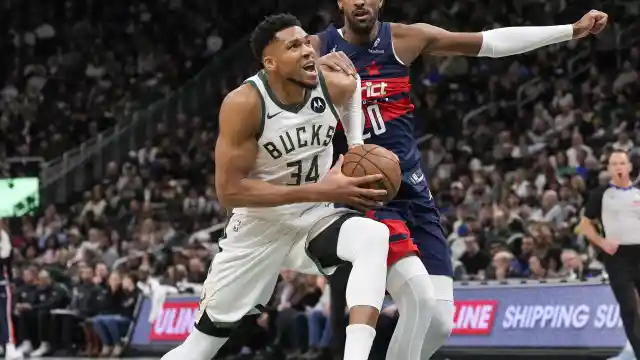
A Look At Lenny Wilkens NBA Career As A Player And Coach
Jun 20, 2026
The basketball world lost one of its true greats on Sunday when Lenny Wilkens passed away peacefully at home, surrounded by family, at the age of 88. Although he was born in Brooklyn's Bedford-Stuyvesant neighborhood, Wilkens was best known for his ties to the Seattle SuperSonics both as a player and a coach.
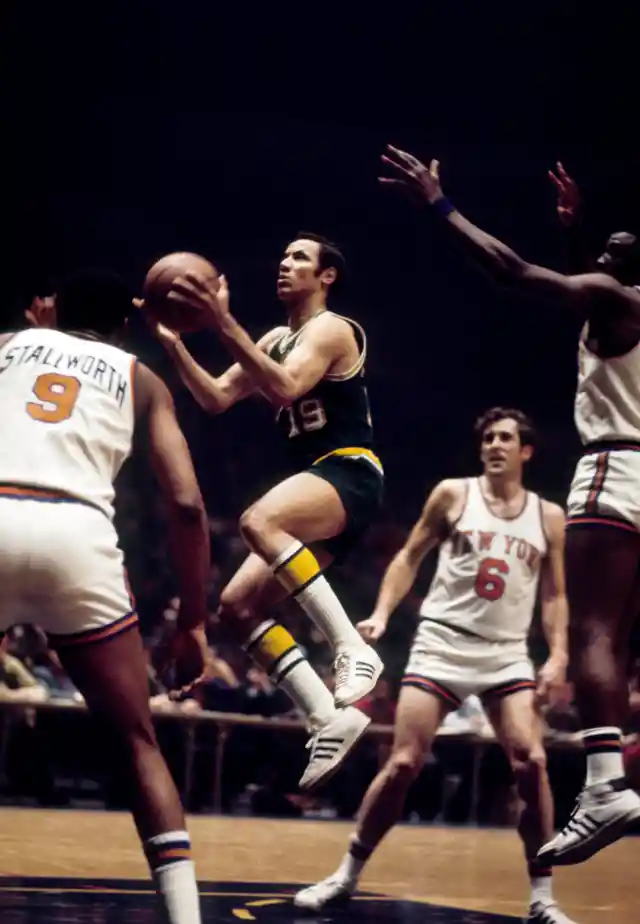
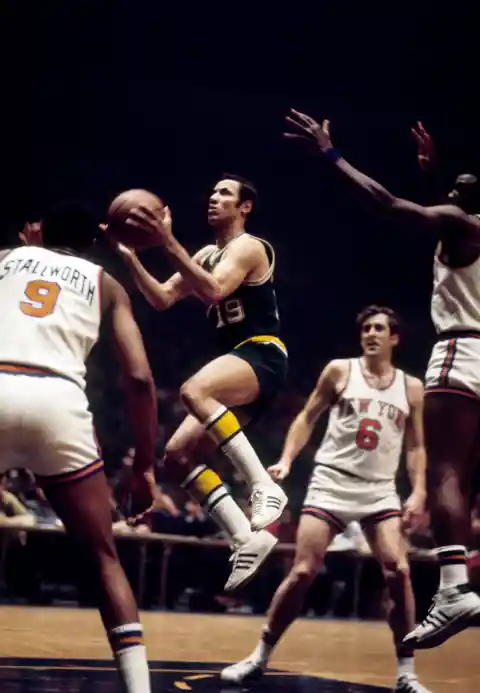
Selected 6th overall by the St. Louis Hawks in the 1960 NBA Draft, Wilkens spent the first eight years of his fifteen-year career with the Hawks before being traded to Seattle. Two seasons in Cleveland and a year with Portland wrapped up the nine-time All-Star's career. Averaging 16.5 points and 6.7 assists, the 6'1" point guard wasn't the flashiest player in the league; he just happened to see things at a different level than his peers. Standing barely six feet tall, this left-hander simply understood basketball on a level few ever have. Capable of putting up 20 points on any given night, Wilkens, who twice led the league in assists, displayed a court sense and calm approach that made the game look easy.
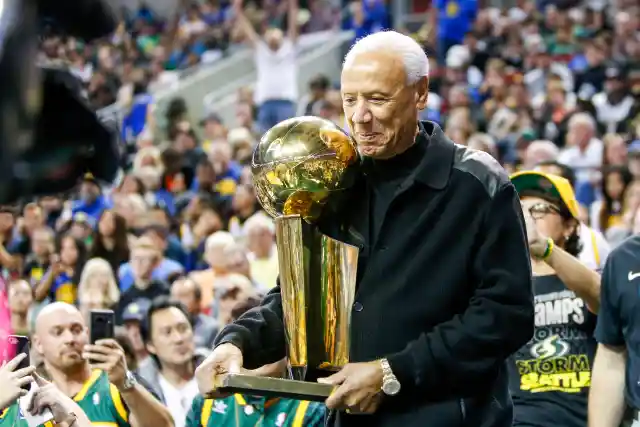
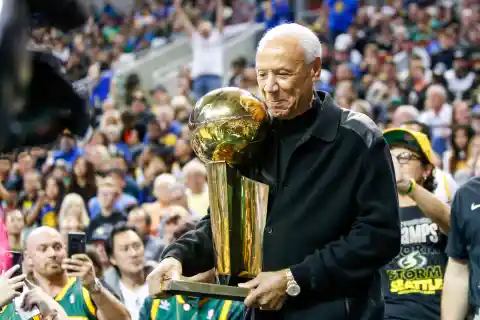
Then came the coaching chapter, and somehow, Wilkens became even more impressive. Holding the clipboard for 2,487 games (a record that still holds today), Wilkens won 53% of the time, racking up 1,332 victories. His crowning achievement came in 1979, when he led the SuperSonics to their only NBA championship, forever cementing his status as Seattle basketball royalty. On June 28, 2025, the city unveiled a statue honoring him outside Climate Pledge Arena.
One of only five people inducted into the Basketball Hall of Fame as both an NBA player and an NBA coach, Wilkens was also inducted a third time as a member of the legendary 1992 Dream Team coaching staff. He also coached Team USA to gold in 1996. Four years ago, he received the rare distinction of being named to both the NBA's 75 Greatest Players list and the 15 Greatest Coaches list.
Lenny Wilkens didn't just play basketball and coach it at the highest levels; he understood what the game meant to people. He knew the power of sports to transform lives because it had transformed his own. From Brooklyn playgrounds to NBA immortality, he carried himself with a quiet dignity that made everyone around him better.

Written by Steve Lee

Recommended for You

Aug 4, 2026