After Three Years, Has The NBA Cup Been A Success Or A Failure?
Jul 23, 2026
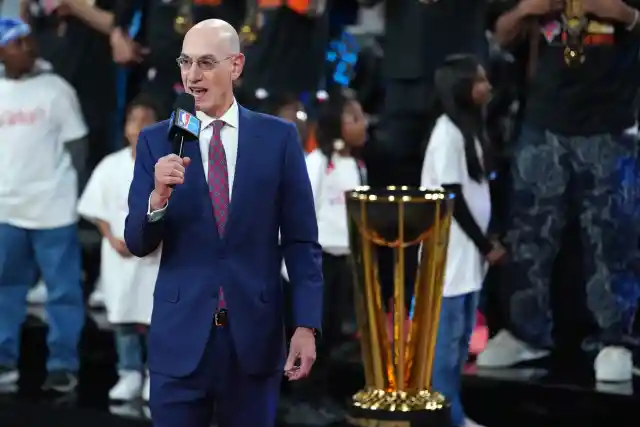
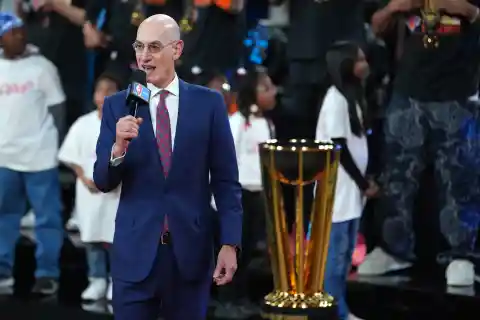
Three years in, the Emirates NBA Cup, the league?s midseason tournament, faces an identity crisis. The league insists players are buying in, pointing to competitive games and the $530,000 payouts to each player on the championship team ($213,000 to each player on the runner-up), but do fans really believe that multi-millionaire athletes need financial incentives to try hard just 20 games into the regular season?
Even Shai Gilgeous-Alexander admitted the format was baffling, saying after clinching a quarterfinal berth that it was ?all too confusing? and to ?just win, and we?ll see where we end up.? If the players can?t follow it, how are casual fans supposed to?
The format is somewhat baffling to the casual viewer. The group stage has fans calculating scenarios where, for example, "the Celtics need to beat the Bulls by 16, and the Magic have to lose to the Pacers or beat them by less than 7" just to advance. Point-differential tiebreakers work fine in soccer, where scores are 2-1, but when NBA games end 138-129, tracking margin of victory feels arbitrary. The schedule keeps changing, too, as this year featured four Fridays, then random Tuesday and Wednesday games during Thanksgiving week.
The viewership reflects this confusion. Year one's championship drew 4.58 million viewers on ABC, legitimately impressive. Last year dipped to 2.99 million. This year, the league moved to Prime Video, making comparisons difficult, but the shift suggests the league is still searching for the right formula. Semifinal numbers were up 14%, and group-stage viewership jumped 90%, showing momentum in certain areas. But the overall trajectory shows the event hasn't exactly hit home with broader audiences yet.
Here's what works: the knockout rounds consistently deliver drama, and the tournament has become a proving ground for young teams. Indiana, Houston, and now potentially San Antonio all used Cup runs as springboards. The money matters too, not because stars need it, but because they want to take care of teammates, especially rookies and two-way players.
What doesn't work: the tournament drags from late October through mid-December, over six weeks for a handful of meaningful games. By the final, it competes with holiday travel and Christmas shopping, making the Las Vegas neutral site feel more like an inconvenience than an event. Next year's semifinals will move to home courts after sparse Vegas crowds proved fans can't plan expensive last-minute trips.
The biggest issue? The championship game doesn't count in the standings. Teams play an extra meaningful game affecting their rest and schedule, but the winner gets no additional win, let alone a playoff advantage. You cannot ask fans to care about games you won't acknowledge as real victories.
Three years in, the NBA Cup has delivered better November basketball and a genuine playoff atmosphere in December. That's worth something. But the format remains too confusing, the timeline too bloated, and the presentation too uncertain. The attraction is there with win-or-go-home elimination games, and young teams showing playoff intensity. But this still feels like a work in progress rather than the tradition it's trying to become.

Written by Steve Lee

Recommended for You
Aug 31, 2026